Riga: Where Medieval Majesty Meets Modern Soul
Baltic Elegance Awaits in Latvia's Crown Jewel
Baltic Elegance Awaits in Latvia's Crown Jewel
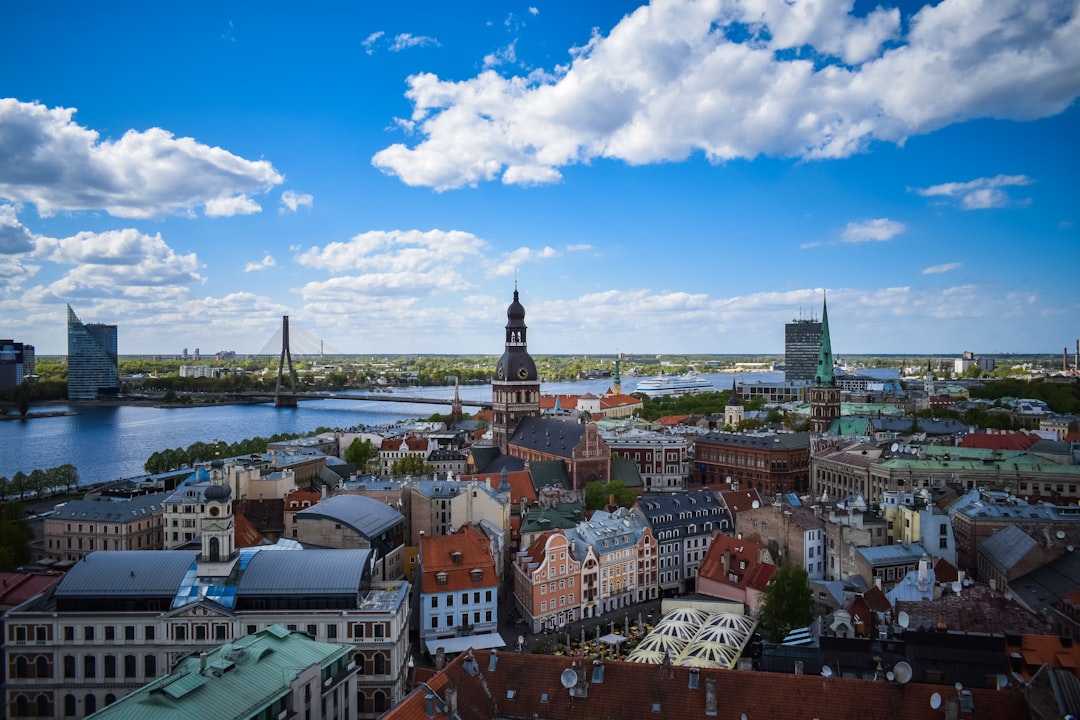
Riga pulses with centuries of untold stories—a city where Gothic spires pierce amber skies and Art Nouveau facades shimmer like jeweled treasures along the Daugava River. Walk these cobblestone streets and discover a living tapestry of medieval grandeur, Belle Époque romance, and vibrant contemporary culture that refuses to be confined by time.
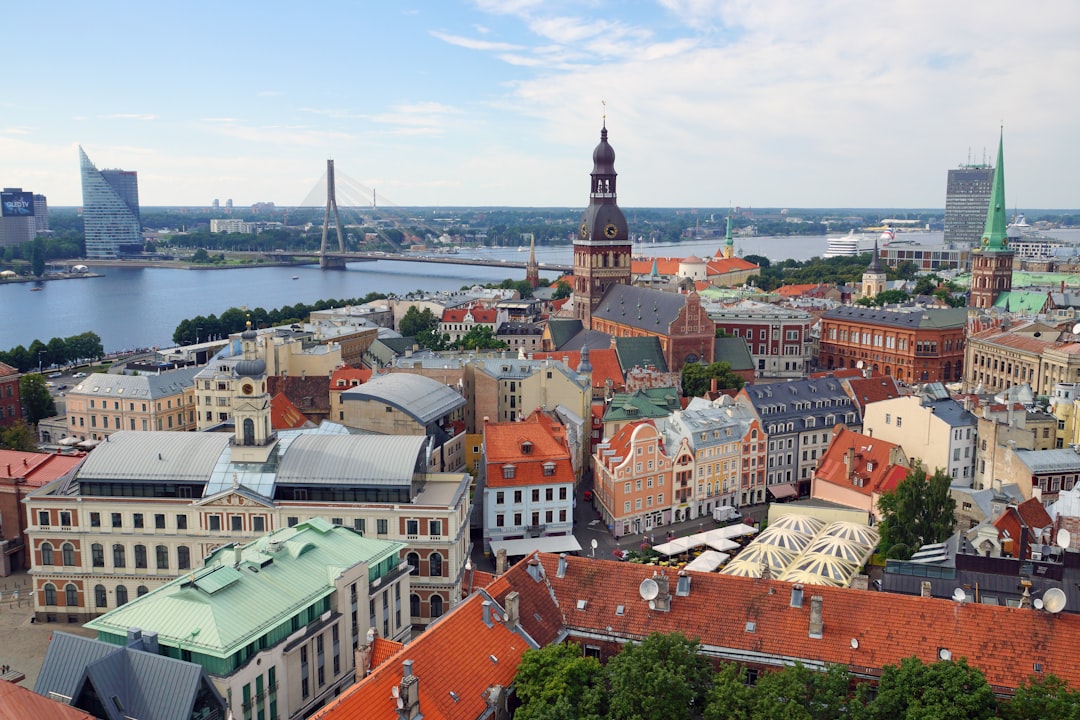
The heart of Riga beats within these UNESCO-protected medieval streets, where narrow alleyways wind past 13th-century merchant houses and candlelit café corners. Every corner reveals a fragment of Baltic history—from the soaring spires of St. Peter's Church to the intimate courtyards where locals and travelers alike discover the city's most authentic soul.
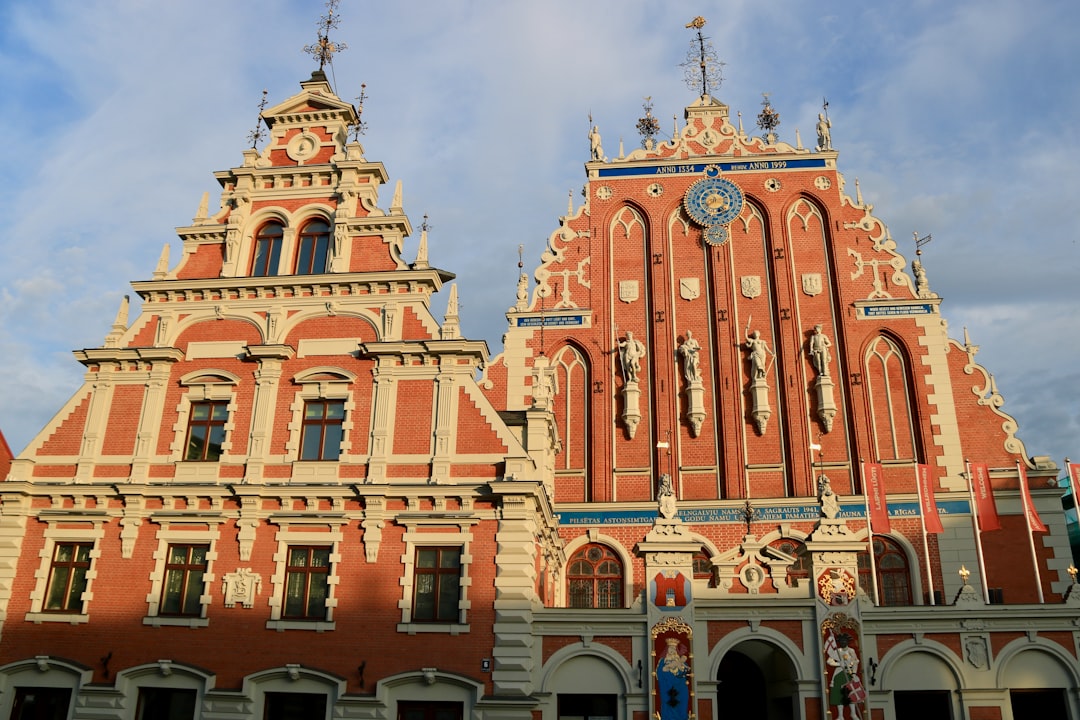
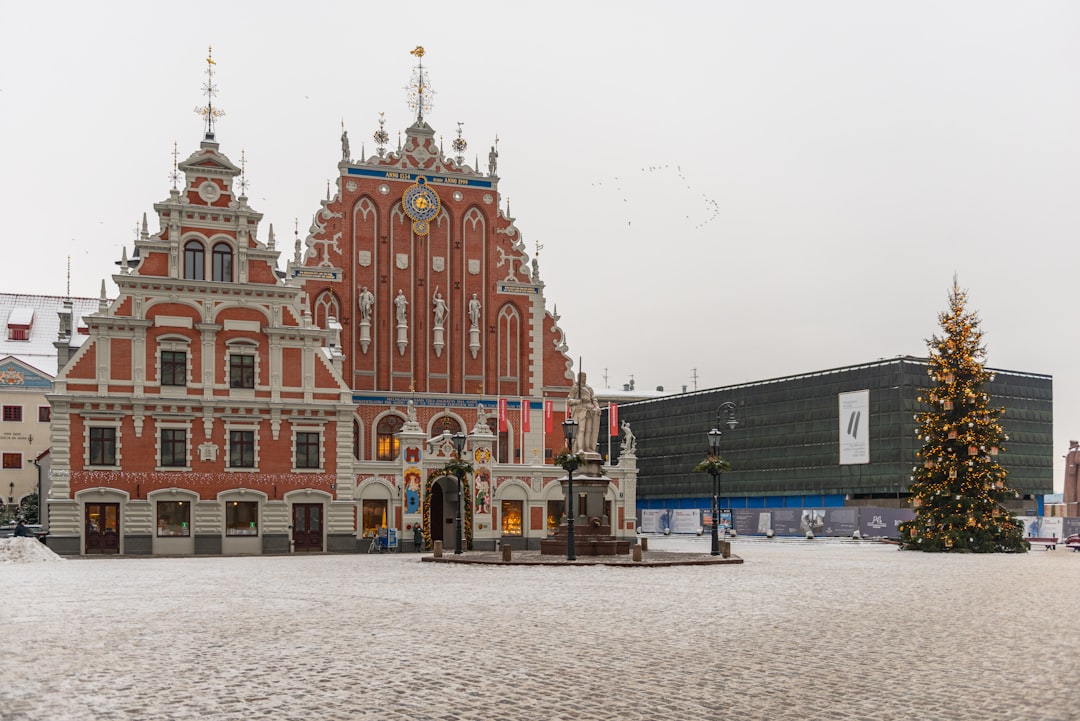
A masterpiece of Renaissance reconstruction, this iconic building stands as a symbol of Riga's merchant pride and artistic resurrection. Its ornate red facade, adorned with intricate sculptures and a golden centrepiece, has watched over Town Hall Square for centuries—a beacon of prosperity, tragedy, and unwavering cultural resilience.
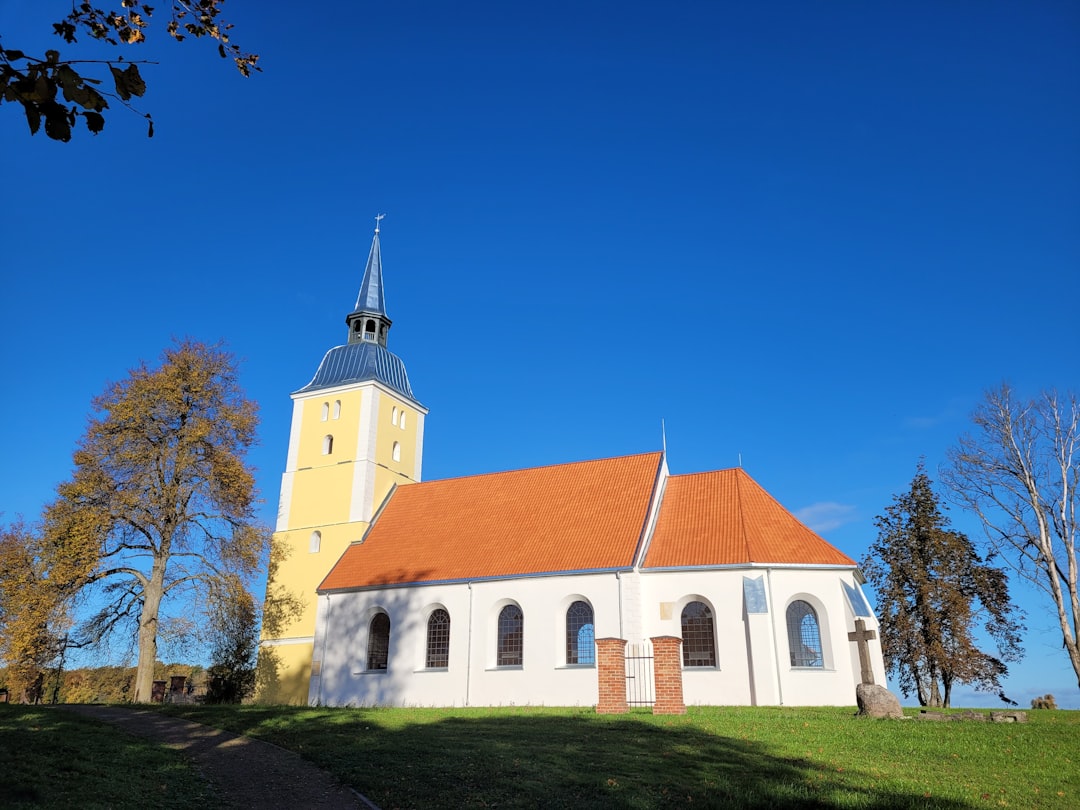
This towering Gothic sentinel has dominated Riga's skyline since 1209, its needle-sharp spire piercing the clouds like a prayer made manifest in stone. Ascend its 123 meters and watch the Daugava unfold beneath you—a perspective that transforms the entire city into a living, breathing work of medieval art.
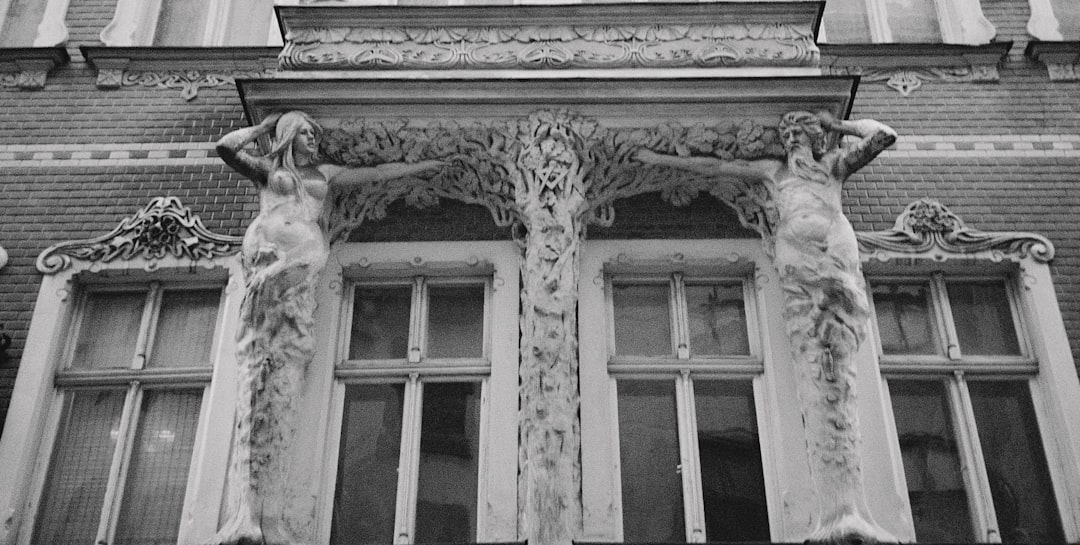
Wander into the whimsical fever dream that is Riga's Art Nouveau Quarter, where buildings exhale romance and rebellion through ornate facades of mythical creatures, floral arabesques, and dreamlike sculptures. This is where 19th-century visionaries cast their architectural spells—over 800 buildings that transform the streets into an open-air gallery of unbridled elegance.
Perched majestically on the Daugava's banks, this fortress-palace embodies the layered history of empires and independence, its brick bastions a testament to power sought, lost, and reclaimed. Today it serves as the residence of Latvia's President, a living monument where political destiny and architectural grandeur converge in perfect symmetry.
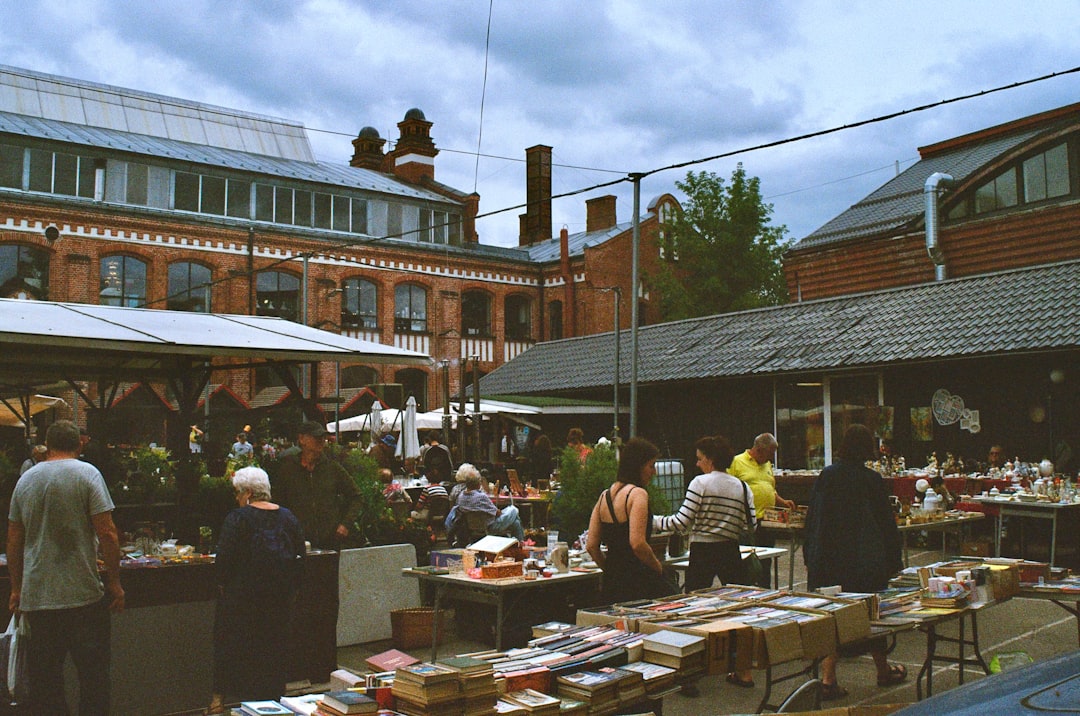
The pulse of Riga's soul throbs in this sprawling marketplace where the scents of Baltic amber, fresh rye bread, and aged fish oils mingle in intoxicating harmony. Five vast warehouse pavilions overflow with local treasures—handcrafted linen, smoked delicacies, and artisan crafts that capture the essence of Latvian tradition and entrepreneurial spirit.
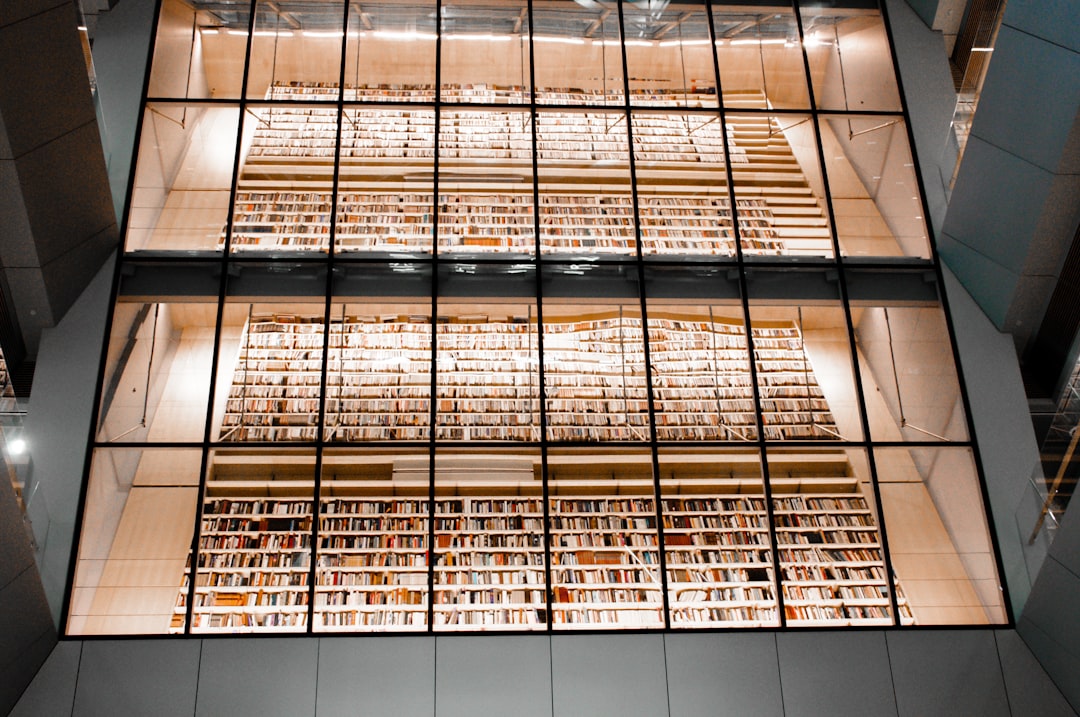
Rising like a crystalline beacon on the Daugava's banks, this architectural marvel stores the memories of a nation within its luminous glass walls. A modern temple of knowledge and Latvian pride, it stands as a poignant reminder of cultural resurrection—a repository of dreams written in books that survived occupations and emerged into freedom.
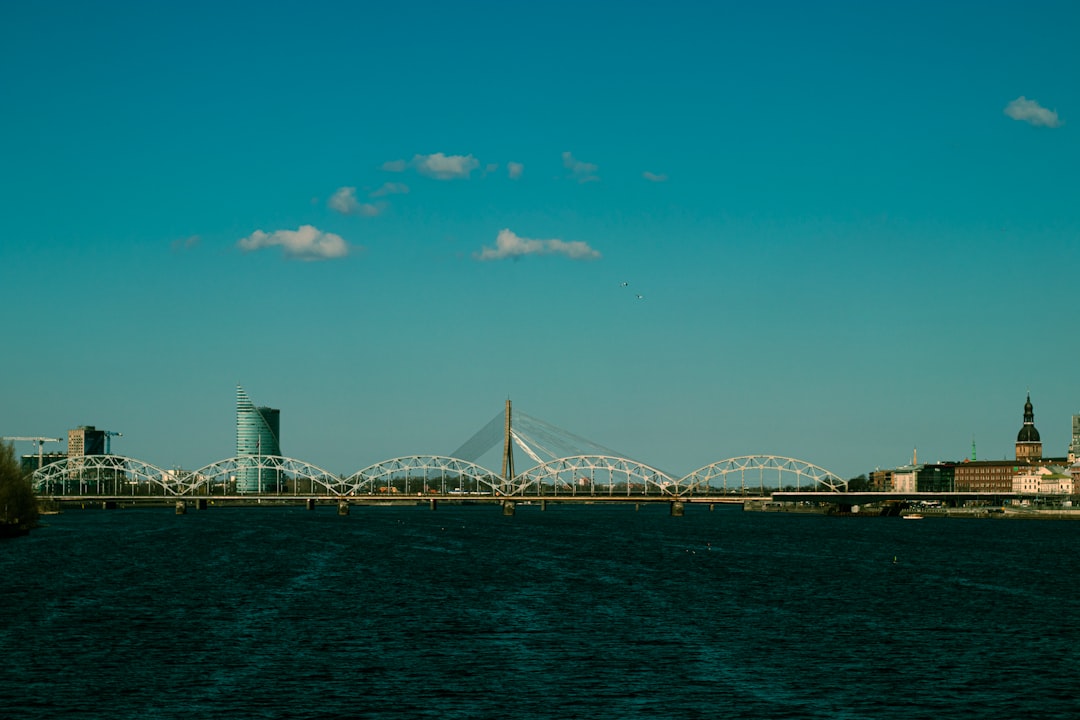
The Daugava River flows through Riga's history like liquid silver, its banks connecting past and future through an elegant network of bridges spanning epochs of engineering ambition. Take a boat journey and witness the city transform from water level—where reflections double the beauty and time seems to move at the river's own eternal pace.
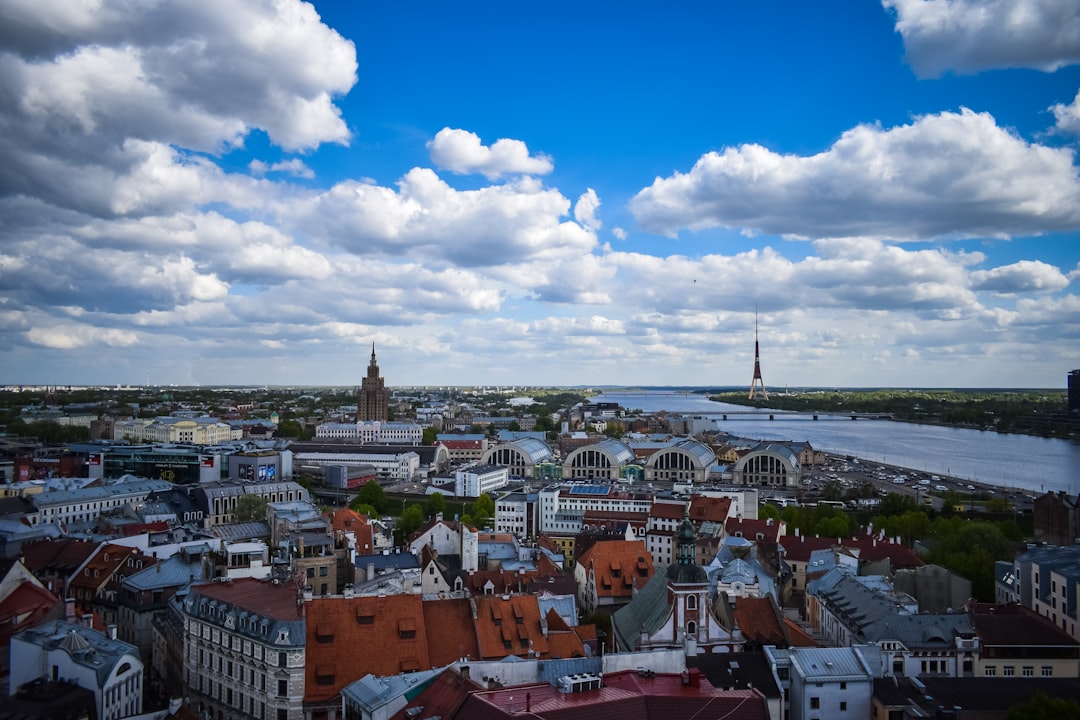
This soaring Gothic testament to medieval ambition stretches 60 meters heavenward, its rose window breathing celestial light into centuries-old stone. Within its vast embrace, centuries of prayers echo from the ornate wooden organ—an instrument of such legendary magnificence that its voice becomes indistinguishable from divine presence itself.
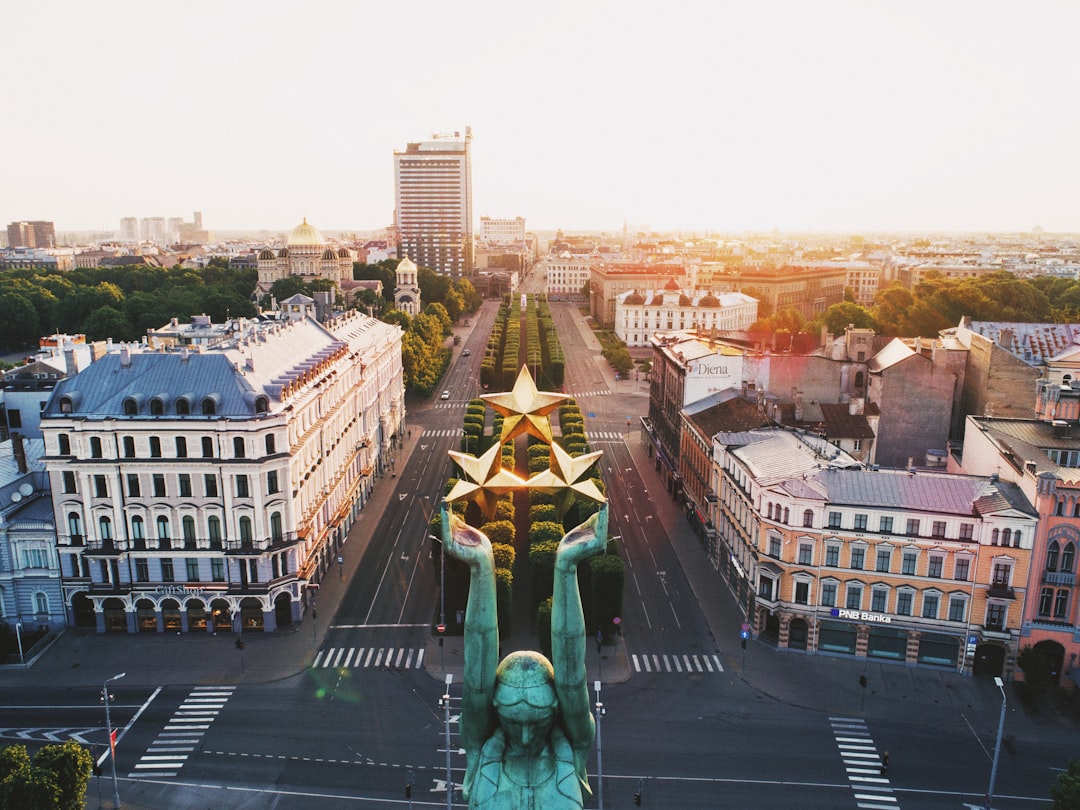
Rising 42 meters above Riga's sacred ground, this gilded copper sentinel holds aloft three golden stars—Latvia's eternal symbol of sovereignty and resistance. Surrounded by reverent pilgrims and contemplative souls, the monument transcends mere memorial to become a living affirmation that freedom, once tasted, can never be forgotten.
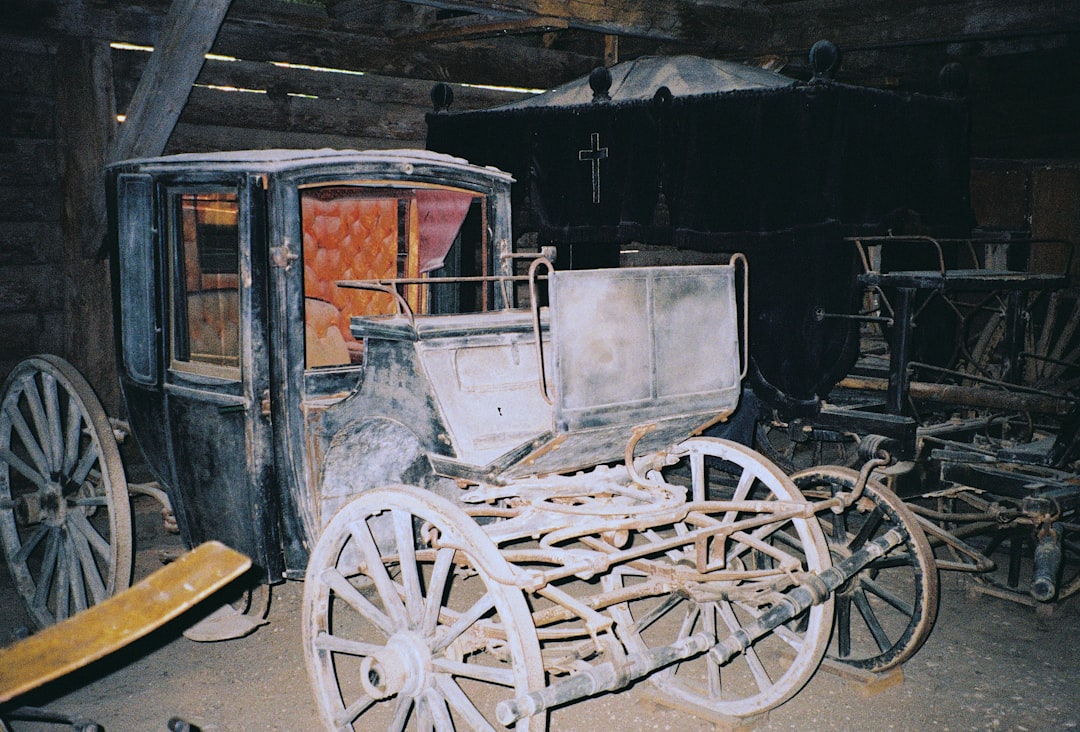
Within these hallowed galleries, centuries of Latvian artistic vision unfold like a visual poem—from ancient folk traditions to contemporary expression that challenges and inspires. Here, canvas and sculpture whisper the unspoken stories of a nation that transformed suffering into sublime beauty.